Blog
How Does a Hydraulic Brick Making Machine Improve Brick Quality and Production?

The construction industry is constantly evolving, and manufacturers are looking for faster, more reliable, and cost-effective ways to produce high-quality building materials. Bricks and concrete blocks are essential components of modern construction, making efficient production a major priority for manufacturers.
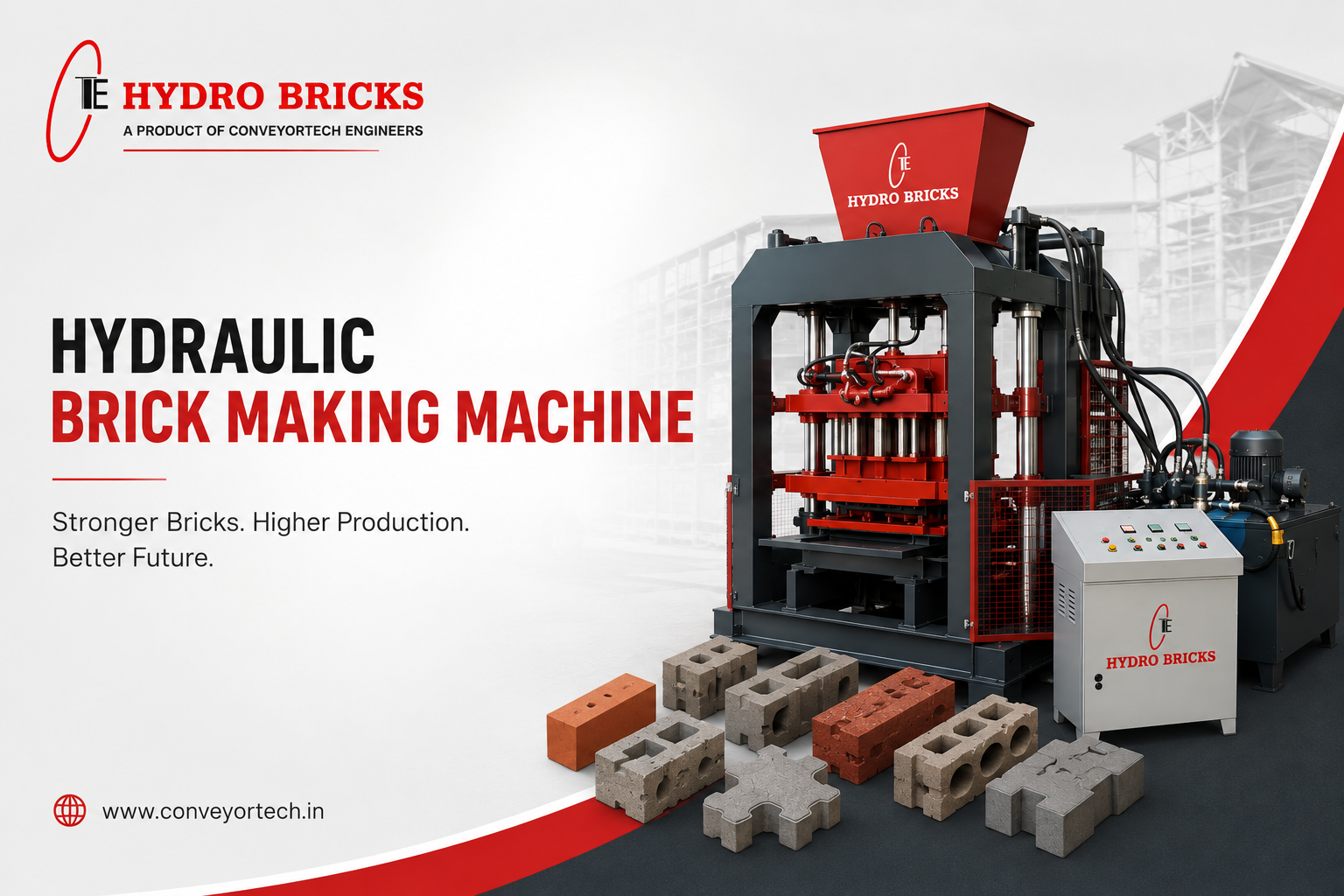
A Hydraulic Brick Making Machine is one of the advanced solutions that can significantly improve both brick quality and production efficiency. By using controlled hydraulic pressure, these machines provide better compaction, uniform dimensions, consistent strength, and faster production compared with traditional manufacturing methods. Hydraulic systems are widely valued for their ability to provide controlled pressure and repeatable production.
For manufacturers planning to expand their production capacity or improve product consistency, understanding how hydraulic technology works can help in making a better investment decision.
What Is a Hydraulic Brick Making Machine?
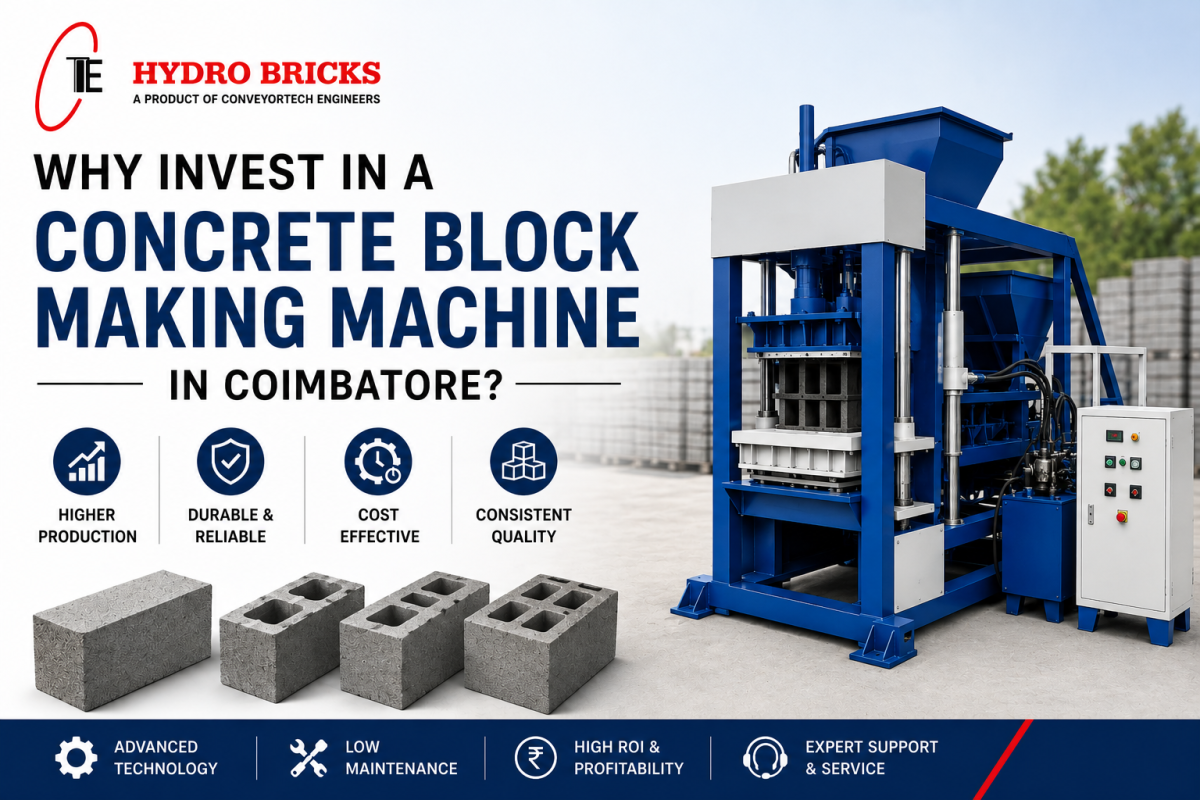
A Hydraulic Brick Making Machine is an industrial machine designed to manufacture bricks and blocks by applying hydraulic pressure to a prepared mixture of materials. Depending on the machine and mold configuration, manufacturers can produce different types of construction products, including cement bricks, concrete blocks, fly ash bricks, hollow blocks, and interlocking products.
The basic production process involves preparing the raw material mixture, feeding it into a mold, applying controlled pressure, and removing the newly formed brick for curing.
Unlike manual production, hydraulic technology allows manufacturers to maintain more consistent pressure during the molding process. This helps reduce variations between individual bricks and contributes to improved density, shape, and surface finish.
How Does Hydraulic Technology Improve Brick Quality?
The quality of a brick depends on several factors, including raw material proportions, moisture content, compaction, molding accuracy, and curing. A hydraulic machine can help control one of the most important stages: compaction.
1. Better Compaction and Density
Hydraulic pressure compresses the raw material inside the mold more effectively and consistently. Better compaction can reduce unwanted voids and produce denser bricks.
Higher and more consistent density can contribute to improved strength and durability, provided that the mix design and curing process are also properly controlled.
This makes a Hydraulic Brick Making Machine particularly useful for manufacturers who want to maintain consistent product quality across large production batches.
2. Uniform Brick Size and Shape
Dimensional consistency is extremely important in construction. Bricks with inconsistent dimensions can create difficulties during laying and may increase material consumption.
Hydraulic machines use precision molds and controlled pressing cycles to create bricks with consistent dimensions. This helps manufacturers maintain uniformity from one production cycle to another.
3. Improved Surface Finish
Controlled pressure and properly designed molds can produce bricks with cleaner edges and smoother surfaces. Better finishing can improve the overall appearance of the finished construction product.
Uniform molding also helps reduce defects caused by inconsistent manual compression.
4. Consistent Strength
Every construction project requires building materials with predictable performance. Since hydraulic systems can apply controlled pressure repeatedly, manufacturers can achieve more consistent compaction across production cycles.
However, brick strength is not determined by machine pressure alone. The quality of cement, aggregates, fly ash or other materials, mix proportions, moisture, and curing conditions also play important roles.
How Does a Hydraulic Brick Making Machine Increase Production?
Improving brick quality is only one part of modern manufacturing. Production speed and operational efficiency are equally important.
A Hydraulic Brick Making Machine can streamline several stages of the manufacturing process and reduce dependence on manual operations.
1. Faster Production Cycles
Hydraulic pressing allows the molding process to be performed quickly and repeatedly. Depending on the machine model, mold configuration, automation level, and product type, production capacity can vary considerably.
Modern hydraulic block machines are designed to support high-volume production while maintaining consistent pressing and molding operations.
2. Reduced Manual Labor
Automation can reduce the amount of manual work required for material feeding, molding, pressing, and product handling.
This can help manufacturers organize their production line more efficiently while reducing the possibility of human errors during repetitive operations.
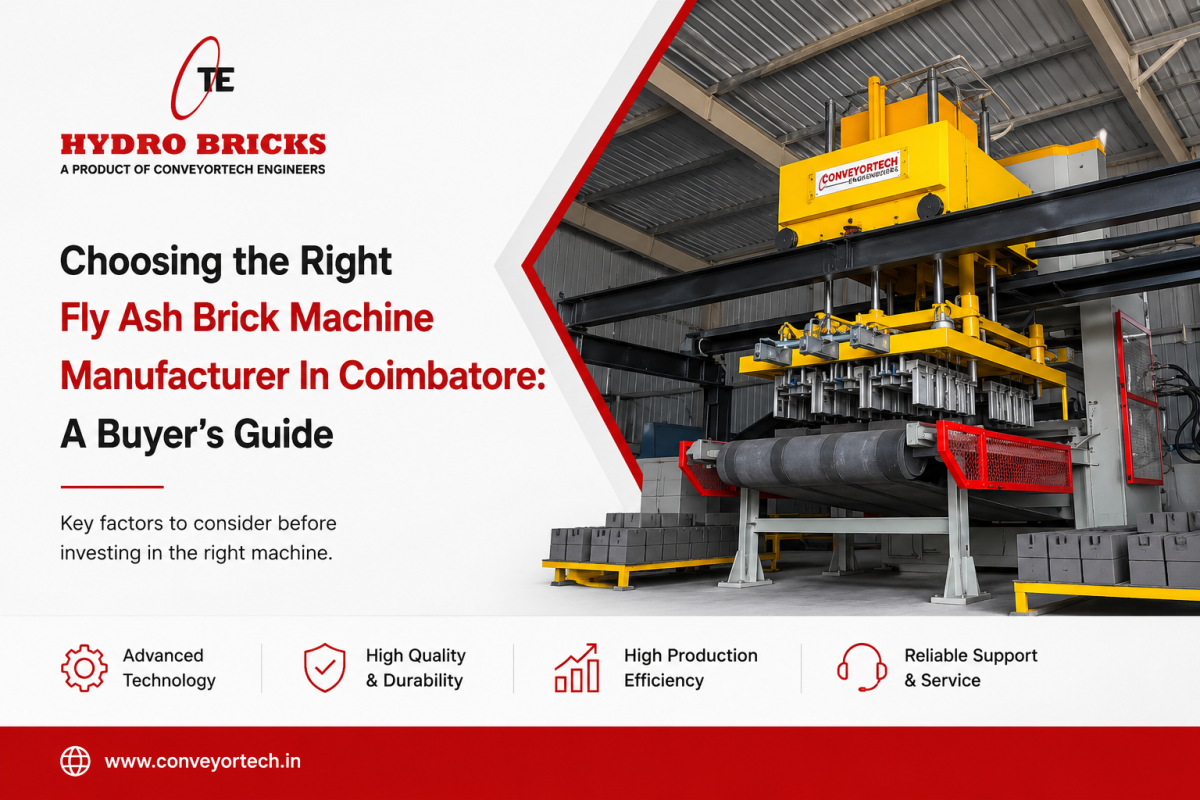
For businesses operating on a larger scale, combining a Hydraulic Brick Making Machine with suitable material handling and curing systems can create a more streamlined production workflow.
3. Lower Material Wastage
Consistent feeding and controlled molding can help reduce production defects. When fewer bricks are rejected because of poor shape, cracks, or inconsistent compaction, manufacturers can make better use of their raw materials.
Reducing wastage can also help improve the overall operating economics of a brick manufacturing plant.
4. Continuous and Repeatable Production
One of the biggest advantages of machinery is repeatability. Once the appropriate production parameters are established, the machine can repeat the same basic molding cycle throughout production.
This is particularly useful for manufacturers supplying large construction projects where customers expect consistent product dimensions and quality.
Key Benefits of Using a Hydraulic Brick Making Machine
Investing in the right machinery can provide several advantages for brick manufacturers.
High Production Efficiency
Hydraulic pressing technology can support faster and more organized production compared with manual manufacturing methods.
Better Product Consistency
Controlled pressure and precision molds help manufacturers produce bricks with more consistent size, shape, and density.
Multiple Product Options
Depending on the machine design and available molds, hydraulic machines can be used to manufacture different types of bricks and blocks. This provides manufacturers with greater flexibility when responding to market requirements.
Reduced Labor Dependency
Automation reduces repetitive manual activities and can help manufacturers operate more efficiently.
Better Business Scalability
A Hydraulic Brick Making Machine can be an important part of a growing brick manufacturing business. As demand increases, manufacturers can consider higher-capacity machines or additional production lines rather than relying entirely on manual production.
What Factors Should You Consider Before Buying?
Choosing the right machine is important because production requirements differ from one business to another.
Production Capacity
Determine how many bricks or blocks you need to manufacture per day. Select a machine that matches your current requirements while allowing room for future expansion.
Brick Type and Mold Size
Consider the types and sizes of products you want to manufacture. Different molds can support different brick and block designs.
Automation Level
Businesses should decide whether they require a semi-automatic or fully automatic system based on their production volume, available workforce, and budget.
Machine Construction
A robust frame, quality hydraulic components, durable molds, and reliable electrical systems can contribute to long-term machine performance.
Maintenance and Support
Before purchasing a Hydraulic Brick Making Machine, manufacturers should also consider installation assistance, spare parts availability, maintenance requirements, and after-sales support.
Why Choose Conveyortech for Brick Manufacturing Machinery?
For businesses looking to modernize their brick production facility, selecting an experienced machinery manufacturer is an important step.
Conveyortech focuses on construction machinery solutions designed to support efficient and reliable manufacturing operations. The right equipment can help businesses improve production consistency, reduce operational inefficiencies, and meet the growing requirements of the construction industry.
Whether you are starting a new manufacturing unit or upgrading an existing production line, selecting machinery according to your production volume, brick type, raw materials, and future business plans can help you achieve better long-term results.
Conclusion
A Hydraulic Brick Making Machine can significantly improve brick manufacturing by combining controlled hydraulic pressure, precision molding, repeatable production cycles, and efficient operation. Better compaction can contribute to stronger and denser products, while accurate molds help maintain consistent dimensions and appearance.
At the same time, faster production cycles, reduced manual intervention, and lower wastage can help manufacturers improve overall production efficiency.
For a modern brick manufacturing business, investing in reliable hydraulic technology is not simply about producing more bricks. It is about producing consistent-quality bricks efficiently and economically.
If you are planning to establish or upgrade a brick manufacturing plant, explore the machinery solutions available from Conveyortech and select equipment that matches your production requirements and future growth plans.